New York · Florida




Super Lawyers is a rating service of outstanding lawyers who have attained a high-degree of peer recognition and professional achievement.
Meet
Silvia D. Manashirov,
Founding Partner
Super Lawyers is a rating service of outstanding lawyers who have attained a high-degree of peer recognition and professional achievement.
Now Advocating for Patients and Families
A Decade Representing Healthcare Providers
Fearless Advocacy in Medical Malpractice & Nursing Home Negligence in New York and Florida
When something goes wrong in a hospital, doctor’s office, nursing home, rehabilitation center or other healthcare setting, the consequences are often life‑changing. Patients and families are often left searching for answers while facing overwhelming medical, financial, and emotional challenges.

Tackling The Most Complex Medical Malpractice and Nursing Home Negligence Claims
Medical malpractice can take many different forms, but every case shares one critical element: preventable harm. It occurs when a hospital, a doctor, a nurse or other medical facility fails to meet accepted standards of care, resulting in serious injury or wrongful death of a patient.
The examples below reflect some of the types of medical malpractice claims we handle, all of which involve situations where proper care could—and should—have made a difference.

Claim Types
Medical malpractice cases are among the most complex and aggressively defended claims in the legal system. Winning these cases requires far more than proving a mistake was made—it requires a deep understanding of medicine, the legal process, and the strategies healthcare providers, hospitals, insurers, and defense attorneys use to defend against liability. These cases often involve extensive medical records, competing experts, and sophisticated legal defenses, making thorough investigation, compelling evidence, and strategic preparation essential from the very beginning.
At SDM Law, we offer clients a unique advantage. Before dedicating our practice to representing victims of medical negligence, we spent years defending healthcare providers and institutions in complex, high-stakes litigation. That insider perspective allows us to anticipate defenses, identify vulnerabilities in the opposition’s case, and develop proactive strategies designed to hold negligent providers accountable. We leverage that experience every day to aggressively advocate for injured patients and their families.
Our Promise
Purpose- Driven Advocacy: Our Promise to You
When preventable medical harm changes a life, patients and families deserve more than explanations that fall short—they deserve clear answers and full accountability. At SDM Law, we do not process cases—we build them for strength from day one. Drawing on deep insight into how these cases are defended, we anticipate challenges, expose weaknesses, and position every case for maximum impact.
Because when the stakes are life-changing, your case deserves nothing less than disciplined strategy, unwavering advocacy, and results that matter.
Medical malpractice litigation is about more than financial recovery. It is about uncovering the truth, holding negligent providers accountable, and helping families obtain answers after preventable harm. Silvia and her team at SDM Law are committed to pursuing justice and financial recovery with the experience, preparation and the rigorous advocacy every case deserves.

advocacy checklist

05 items
-

We Will Take Your Case Seriously.
We understand that behind every medical malpractice claim is a person or family living with real consequences.
-
We Will Listen Carefully.
We take time to understand what happened, what you have been told, and how the harm has affected your life.
-
We Will Communicate Honestly.
You deserve clear, direct guidance about your case, even when the issues are medically or legally complex.
-
We Will Prepare Thoroughly.
We examine the records, facts, decisions, and failures that may have contributed to preventable harm.
-
We Will Stay Personally Involved.
Our clients receive meaningful, attentive representation from their attorney throughout the case.
FAQ
Frequently Asked Questions
Question index — New York Medical Malpractice
05 entries
-
Not every bad medical outcome is malpractice. You may have a claim if a healthcare provider’s negligence caused a preventable, serious injury.
-
A medical complication can occur even with proper care. Malpractice happens when a provider fails to meet the accepted standard of care and causes harm.
-
No. SDM Law offers a free consultation to evaluate your case and explain your legal options.
-
Bring any available medical records, discharge papers, test results, provider communications, photographs, and notes. If you don’t have them, we can help you obtain them.
-
Filing deadlines vary by state and case details. Because these time limits are strict, you should contact SDM Law as soon as possible.
Question index — New York Nursing Home Negligence
06 entries
-
Nursing home negligence occurs when a facility or its staff fails to provide reasonable care, resulting in harm to a resident. This often includes failures in supervision, hygiene, nutrition, or safety.
-
Negligence is a failure to provide necessary care (such as inadequate supervision resulting in a fall, unnecessary wound care and infection, or missed medication). Abuse involves intentional harm, such as physical or emotional mistreatment.
-
Not always. Nursing home negligence involves failures in assessments, daily care or supervision, while medical malpractice involves professional medical errors such as misdiagnosis, delayed diagnosis or medication mistakes. However, the claims can overlap.
-
Warning signs may include bedsores, malnutrition, dehydration, poor hygiene, unexplained injuries, and sudden emotional or behavioral changes.
-
Victims and families may recover damages for medical expenses, pain and suffering, and other losses depending on the facts of the case and applicable state law.
-
Yes. In both New York and Florida, SDM Law can assist families to pursue claims when a nursing home’s failure to meet required care standards causes injury. Nursing facilities are statutorily required to protect the resident rights including by providing adequate and appropriate medical care, ensuring the residents are treated with dignity and respect and are free from abuse, neglect and mistreatment, and by maintaining the residents’ privacy and autonomy in care decisions.
Question index — New York Wrongful Death
07 entries
-
A wrongful death claim is a lawsuit brought when someone dies due to negligence or medical malpractice. It seeks compensation for the financial losses suffered by the family, such as lost income, services, and support.
-
Under New York law, damages are limited to economic (pecuniary) losses, including:
- Loss of financial support
- Loss of household services or caregiving
- Loss of parental guidance for children
- Funeral and burial expenses
New York does not allow recovery for grief or emotional suffering in wrongful death claims.
-
No. Wrongful death proceeds are paid directly to family members and generally are not subject to estate debts or creditors.
-
A survival action is a separate claim that compensates for what the decedent experienced before death, including pain and suffering.
This claim belongs to the Estate, not the family directly. The Estate may recover damages for:
- Conscious pain and suffering
- Fear of impending death
- Emotional distress before death
- Medical expenses incurred before death
- Lost earnings between injury and death
Even a brief period of awareness prior to the decedent’s expiration may support a claim for pain and suffering.
-
Yes. Survival action damages are considered Estate assets, which means they may be subject to:
- Creditors and liens
- Medicaid or Medicare reimbursement claims
- Distribution under a will or intestacy law
-
The claim must be filed by the personal representative of the estate, but the compensation is for the benefit of the decedent’s distributees (family members)—not the Estate itself.
-
If you believe a loved one’s death was caused by negligence, it is critical to act quickly. These cases require immediate investigation. It is critical the medical and factual evidence are preserved.
At SDM Law, we handle complex wrongful death and medical malpractice cases with a trial-ready approach—maximizing every available claim to secure full financial justice for families.
Question index — Florida Wrongful Death
10 entries
-
A wrongful death claim arises when someone dies due to negligence, medical malpractice, or wrongful conduct. Under Florida law, the claim is designed to compensate surviving family members for both financial and emotional losses.
-
A wrongful death occurs when a patient or nursing home resident dies due to negligent medical care, neglect, abuse, or failure to follow accepted standards of care.
In these cases, liability may arise from:
- Misdiagnosis or delayed diagnosis;
- Surgical or treatment errors;
- Medication mistakes;
- Nursing home neglect (falls, pressure ulcers, dehydration, infections);
- Failure to monitor or respond to a medical emergency.
Florida law allows families to pursue compensation when the death was caused by substandard care that should have been prevented.
-
Significantly, Florida allows recovery for both economic and non-economic losses.
Surviving family members may recover:
- Loss of financial support and services;
- Loss of companionship, guidance, and protection;
- Mental pain and suffering;
- Medical and funeral expenses (depending on who paid them).
-
No. Damages awarded for wrongful death are distributed directly to eligible survivors, not through the estate.
-
Yes. Florida law specifically allows certain survivors to recover damages for mental pain and suffering, which is often one of the most significant parts of the case.
-
A survival action is a claim that allows the estate to pursue losses the deceased person would have recovered if they had lived.
This includes claims for damages that occurred between the time of injury and death.
-
The Estate may recover:
- Medical expenses incurred before death;
- Lost wages between injury and death;
- Other financial losses suffered before death.
Important: Florida law generally shifts recovery for pain and suffering away from the decedent and instead allows survivors to recover their own emotional damages in the wrongful death claim.
-
Yes. Any recovery from a survival action becomes part of the Estate, and is distributed according to:
- The decedent’s will, or
- Florida intestacy law
These funds may also be subject to creditors or liens associated with the estate.
-
In Florida, only the personal representative of the estate can file the lawsuit.
However, the claim is brought on behalf of surviving family members, including:
- Spouse;
- Children;
- Parents;
- Other dependent relatives.
-
If you suspect negligence caused a loved one’s death, it is important to act quickly. These cases require:
- Immediate investigation
- Appointment of a personal representative
- Early evaluation of all available damages
Florida law also imposes a strict time limit for bringing these claims.
Question index — Florida Structured Judgments
03 entries
-
A structured payment arrangement means compensation is paid over time in periodic payments rather than as a single lump sum. These payments are typically funded through an annuity purchased by an insurance company.
-
Structured settlements can provide:
- Long-term financial security through steady, predictable income;
- Protection against overspending or mismanaging a large lump sum;
- Guaranteed payments backed by an insurance company;
- Tax advantages — payments for personal injury or wrongful death are generally tax-free under federal law.
These benefits make structured settlements especially useful in cases involving lifelong care or reduced earning capacity.
-
Structured judgments are generally not mandatory in Florida. However, structured settlements are commonly used in Florida, particularly in cases involving: catastrophic injuries; birth injuries; long-term medica needs; and wrongful death claims. A structured settlement is a way of receiving compensation over time instead of in a single lump sum. Instead of one check, payments are made in scheduled installments—monthly, annually, or at specific future dates. Florida law also provides protections for recipients through the Structured Settlement Protection Act, which governs transfers of future payments and requires court oversight.
Our Offices
Your Future. Your Family. Our Focus.
SDM Law serves clients throughout New York and Florida. In New York, we serve Manhattan, Bronx, Brooklyn, Queens, Staten Island, Nassau County, Suffolk County and Westchester County. In Florida we serve Miami-Dade, Broward County, and Palm Beach County through the Central East and West Districts.
01 New York Office
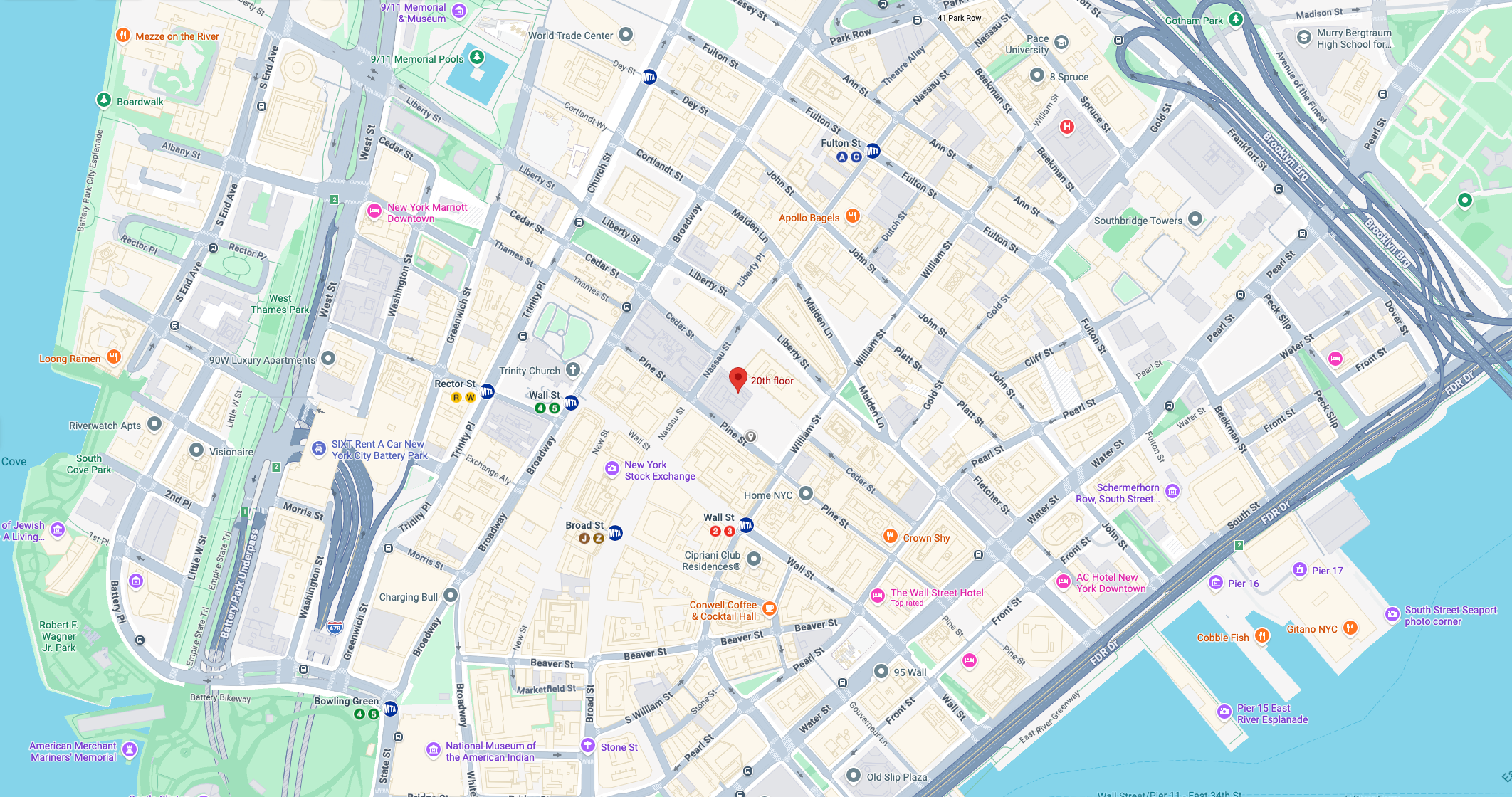
NY14 Wall Street
20th Floor · New York, NY 10005
02 Florida Office
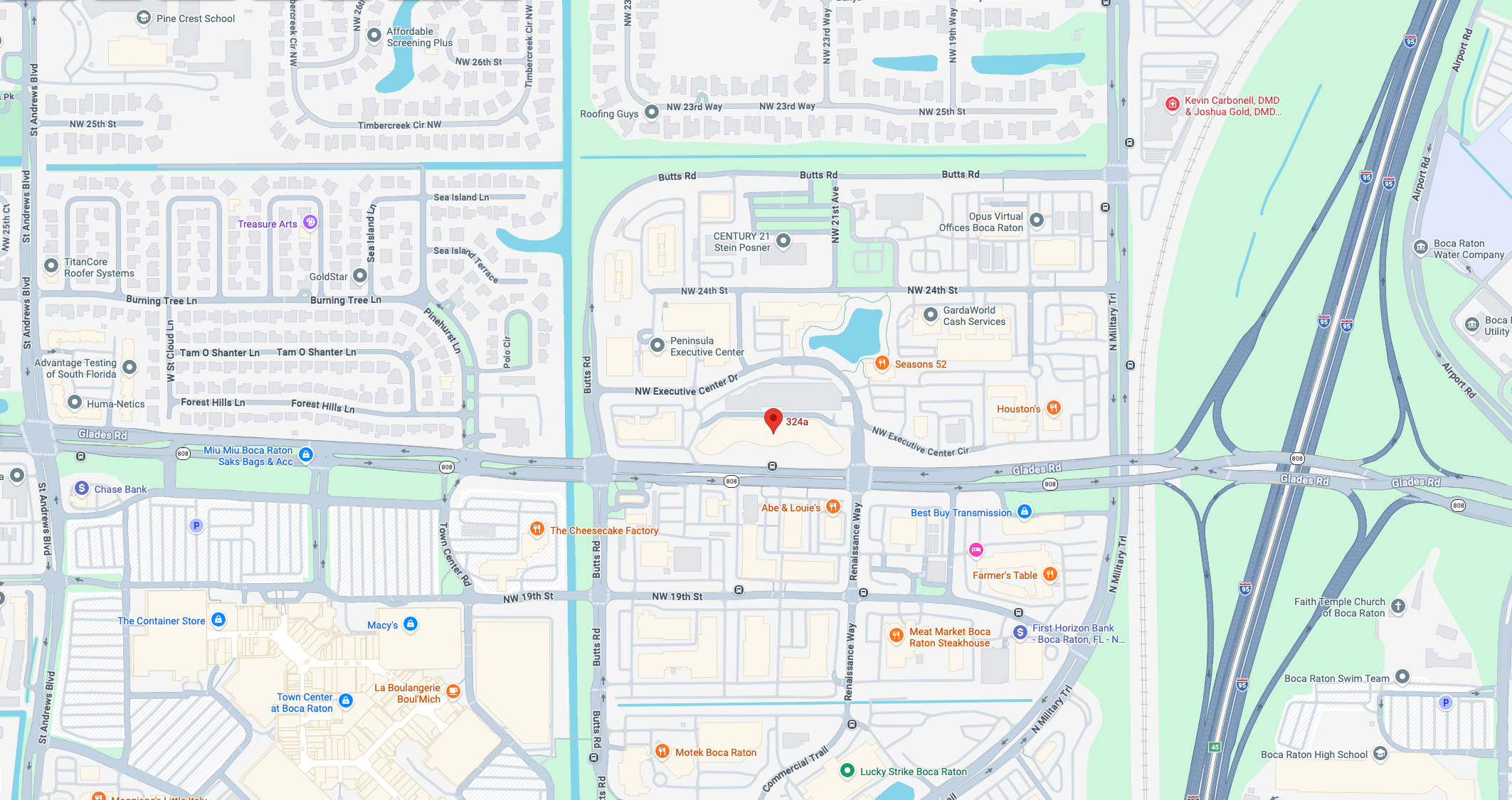
FL2255 Glades Road
Suite 324A · Boca Raton, FL 33431